HurricaneMitigation invests in anticipatory works to reduce storm impact
StartupRealities No 90
HurricaneMitigation is an international climate change relief charity that helps areas in the path of hurricanes, typhoons and cyclones to prepare for higher-incidence and higher-strength storms as a result of global warming. The charity is funded by the governments of industrialised countries. Some 80% of the funding is disbursed to help disaster-prone regions to act in advance to minimise potential property damage and loss of life, while the remaining 20% is spent on post-storm relief measures.
STORM-PROOF TECHNOLOGY
An example of mitigation measures is the use of long screws to attach house roofs to walls and foundations, instead of the use of nails. Research shows that nailed roofs are much more likely to be damaged or blown away in a storm than roofs fixed with screws.
Another storm-proof technology in coastal and littoral areas with a high risk of storm surges and flooding is the construction of houses on stilts/columns.
CEO QUOTE
"Act in anticipation is our mantra. You can't board up your windows after the hurricane has pummelled the house. But you can do a lot of anticipatory work on your house and in your neighbourhood during the low season. The 80-20 rule of 80% prevention vs. 20% relief makes perfect sense when dealing with climate change," said company founder and CEO Harry Mitilini.
HurricaneMitigation is an international climate change relief charity that helps areas in the path of hurricanes, typhoons and cyclones to prepare for higher-incidence and higher-strength storms as a result of global warming. The charity is funded by the governments of industrialised countries. Some 80% of the funding is disbursed to help disaster-prone regions to act in advance to minimise potential property damage and loss of life, while the remaining 20% is spent on post-storm relief measures.
STORM-PROOF TECHNOLOGY
An example of mitigation measures is the use of long screws to attach house roofs to walls and foundations, instead of the use of nails. Research shows that nailed roofs are much more likely to be damaged or blown away in a storm than roofs fixed with screws.
Another storm-proof technology in coastal and littoral areas with a high risk of storm surges and flooding is the construction of houses on stilts/columns.
CEO QUOTE
"Act in anticipation is our mantra. You can't board up your windows after the hurricane has pummelled the house. But you can do a lot of anticipatory work on your house and in your neighbourhood during the low season. The 80-20 rule of 80% prevention vs. 20% relief makes perfect sense when dealing with climate change," said company founder and CEO Harry Mitilini.
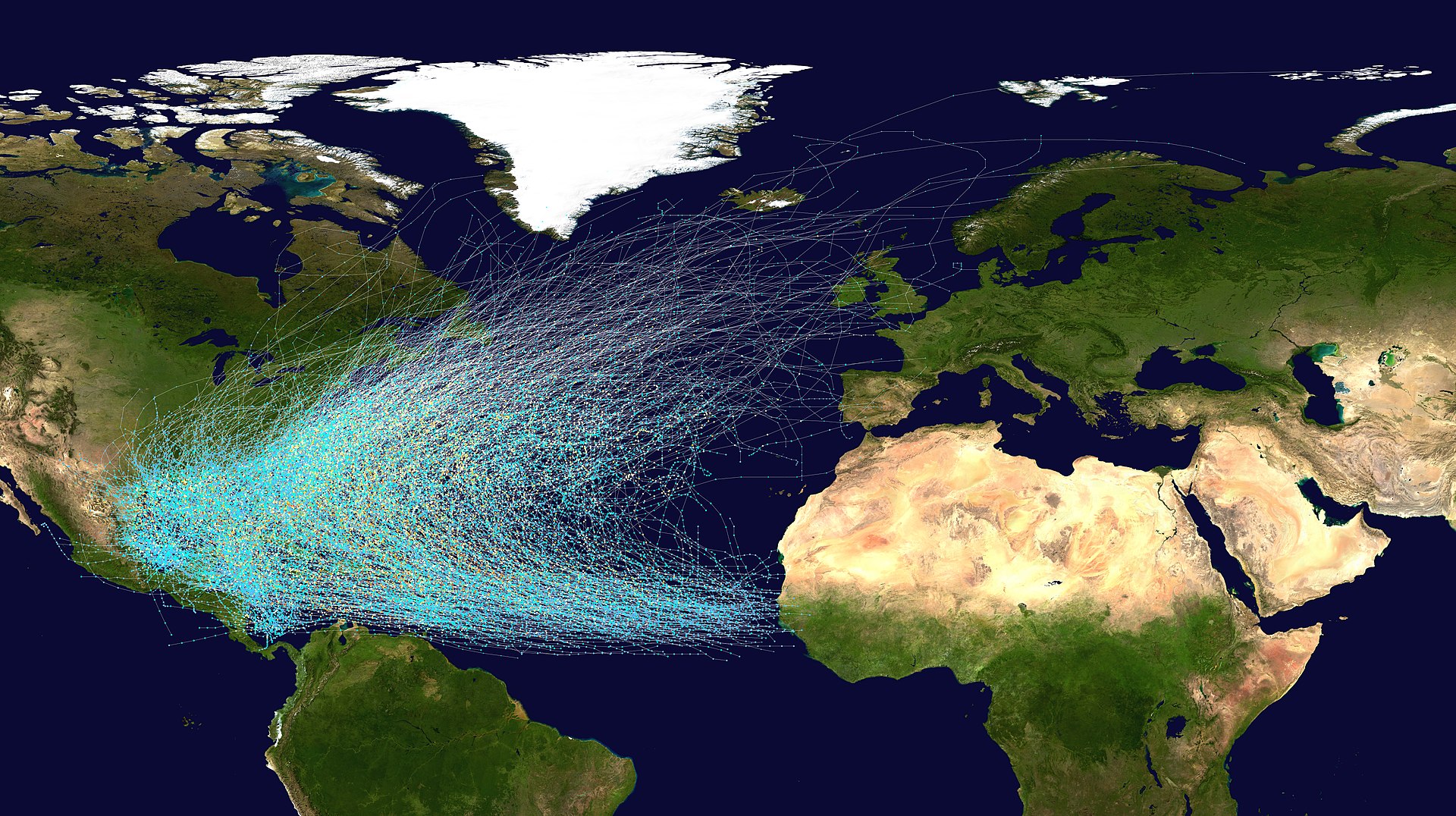 |
| Tracks of North Atlantic tropical cyclones (1851–2012) (image source: Wikipedia) |


Comments
Post a Comment